 Image 1 of 2
 Image 2 of 2
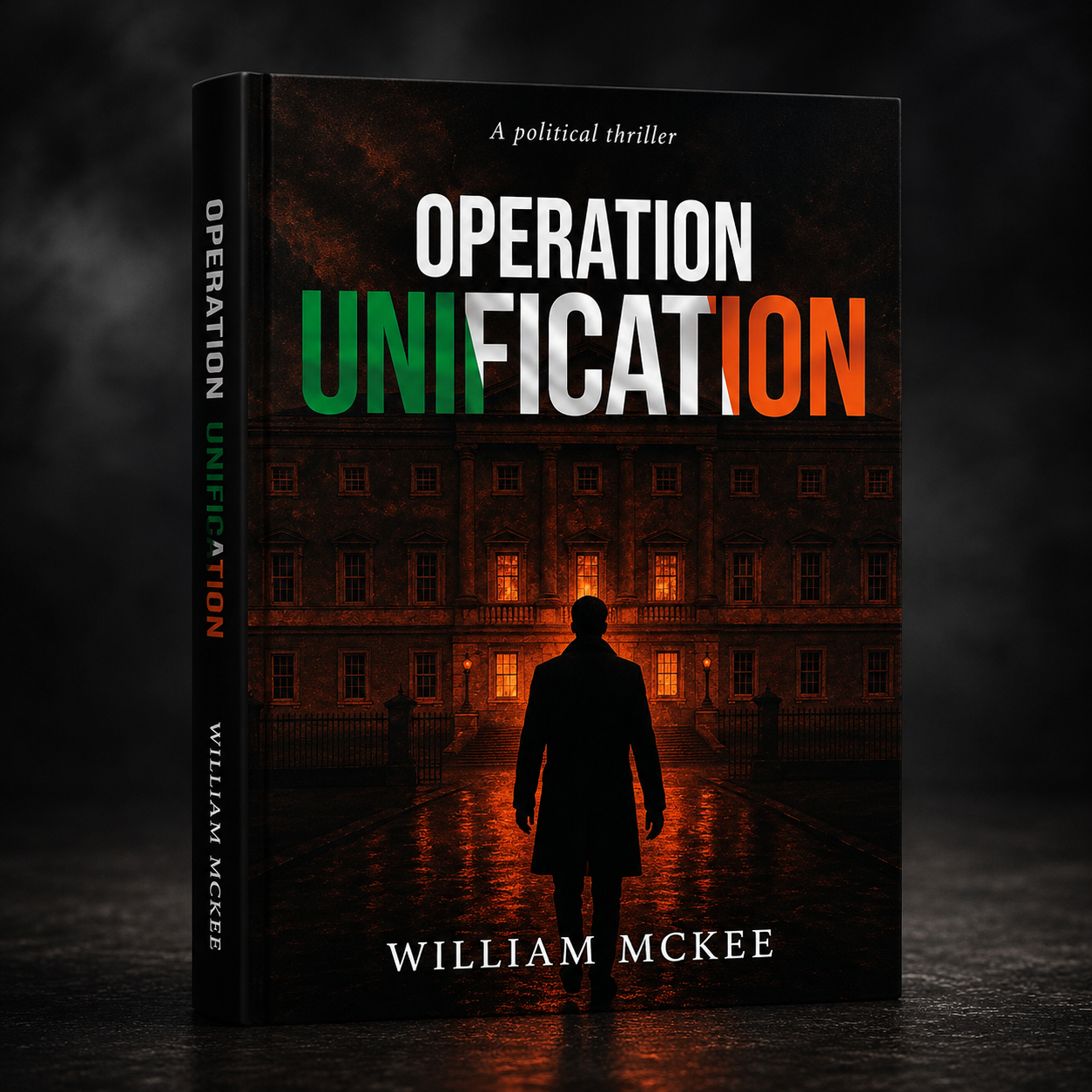
The story continues…
Ireland was divided in 1921 into Northern Ireland, which remained part of the United Kingdom, and Southern Ireland, which later became the Republic of Ireland.
This partition, established under the Anglo-Irish Treaty, reflected deep religious and political divisions. Protestant Unionists in the North favoured remaining within the UK, while Catholic Nationalists largely supported unification with the South.
From the 1960s through to 1998, Northern Ireland was engulfed in a violent conflict known as the Troubles, a bitter struggle between Unionists and Loyalists (mainly Protestant and pro-UK) and Nationalists and Republicans (mainly Catholic and pro-unification). This period was marked by bombings, murders, and widespread civil unrest.
The 1998 Good Friday Agreement established a fragile framework for peace, power-sharing, and cross-border cooperation. It did not enforce unification but allowed for the possibility of a referendum on Irish unity if a majority in Northern Ireland ever supported it.
Two months following the signing of the Good Friday Agreement, the debate over unification has re-emerged. Economic and political shifts have reignited speculation about the island’s future. Behind the scenes, covert influence operations are already underway to sway public opinion toward unification.
Intelligence sources suggest that secret negotiations and manipulations are taking place to destabilise the unionist vote.
A third, unidentified force has entered the arena, sparking espionage and counterintelligence activity between British, Irish, and foreign actors. For some, Irish unification offers a strategic backdoor into the UK and Europe; for others, it is an opportunity to sow chaos that could once again place British soldiers back on the streets of Northern Ireland.
At the same time, Western intelligence agencies have identified an emerging alliance, a dangerous axis made up of Russia, China, North Korea, and Iraq, whose intentions remain unclear but whose reach is expanding.
Within this volatile climate, UK Security Services have uncovered a clandestine agreement between the British Prime Minister and the Taoiseach, setting a date for a unification referendum. Nationalist leaders in the North have assured London that they can deliver the vote. Loyalist figures, meanwhile, have been quietly paid off to ensure “minimal disruption” from Protestant communities.
Officially, preparations are being made to contain any loyalist backlash. Unofficially, fears are growing that hostile powers intend to exploit the situation to destabilise the British government itself.
In response, a covert faction within the security services, known only as Shadow Protocol, has resolved to act outside the chain of command. Their mission: to bring down the government and prevent unification at any cost.
Now, James, his Scandinavian ally, and another MI5 officer, having escaped Thames House with ten classified files detailing government complicity in atrocities from the Troubles, find themselves caught in the middle of a hidden war. Convinced they are being manipulated, they must uncover the truth before the Shadow Protocol takes the nation beyond the point of no return.
A Note for International Readers (outside UK)
Thank you so much for your interest in my books.
If you're ordering from outside the UK, you'll often find it more cost-effective to purchase through your local bookshop or Amazon, as international postage from my website can be quite expensive.
My books are available through Amazon in many countries and can also be ordered by most independent bookshops.
Thank you for your support – wherever you choose to buy, it is greatly appreciated.
The story continues…
Ireland was divided in 1921 into Northern Ireland, which remained part of the United Kingdom, and Southern Ireland, which later became the Republic of Ireland.
This partition, established under the Anglo-Irish Treaty, reflected deep religious and political divisions. Protestant Unionists in the North favoured remaining within the UK, while Catholic Nationalists largely supported unification with the South.
From the 1960s through to 1998, Northern Ireland was engulfed in a violent conflict known as the Troubles, a bitter struggle between Unionists and Loyalists (mainly Protestant and pro-UK) and Nationalists and Republicans (mainly Catholic and pro-unification). This period was marked by bombings, murders, and widespread civil unrest.
The 1998 Good Friday Agreement established a fragile framework for peace, power-sharing, and cross-border cooperation. It did not enforce unification but allowed for the possibility of a referendum on Irish unity if a majority in Northern Ireland ever supported it.
Two months following the signing of the Good Friday Agreement, the debate over unification has re-emerged. Economic and political shifts have reignited speculation about the island’s future. Behind the scenes, covert influence operations are already underway to sway public opinion toward unification.
Intelligence sources suggest that secret negotiations and manipulations are taking place to destabilise the unionist vote.
A third, unidentified force has entered the arena, sparking espionage and counterintelligence activity between British, Irish, and foreign actors. For some, Irish unification offers a strategic backdoor into the UK and Europe; for others, it is an opportunity to sow chaos that could once again place British soldiers back on the streets of Northern Ireland.
At the same time, Western intelligence agencies have identified an emerging alliance, a dangerous axis made up of Russia, China, North Korea, and Iraq, whose intentions remain unclear but whose reach is expanding.
Within this volatile climate, UK Security Services have uncovered a clandestine agreement between the British Prime Minister and the Taoiseach, setting a date for a unification referendum. Nationalist leaders in the North have assured London that they can deliver the vote. Loyalist figures, meanwhile, have been quietly paid off to ensure “minimal disruption” from Protestant communities.
Officially, preparations are being made to contain any loyalist backlash. Unofficially, fears are growing that hostile powers intend to exploit the situation to destabilise the British government itself.
In response, a covert faction within the security services, known only as Shadow Protocol, has resolved to act outside the chain of command. Their mission: to bring down the government and prevent unification at any cost.
Now, James, his Scandinavian ally, and another MI5 officer, having escaped Thames House with ten classified files detailing government complicity in atrocities from the Troubles, find themselves caught in the middle of a hidden war. Convinced they are being manipulated, they must uncover the truth before the Shadow Protocol takes the nation beyond the point of no return.
A Note for International Readers (outside UK)
Thank you so much for your interest in my books.
If you're ordering from outside the UK, you'll often find it more cost-effective to purchase through your local bookshop or Amazon, as international postage from my website can be quite expensive.
My books are available through Amazon in many countries and can also be ordered by most independent bookshops.
Thank you for your support – wherever you choose to buy, it is greatly appreciated.